Compare Local Contractors for Yard Irrigation Installation Projects
Compare local contractors for yard irrigation installation to define project scope, verify experience, and set clear expectations in writing for a successful upgrade.
Yard irrigation installation typically involves designing and setting up systems that deliver water efficiently across a property's landscape. This process includes planning the placement of sprinkler heads, running underground piping, installing control valves, and integrating timers or automation components. Proper installation ensures that lawns, gardens, and other plantings receive adequate watering, helping to maintain healthy growth while minimizing water waste. Understanding the scope of work involved can help property owners communicate their needs clearly and ensure the system is tailored to the specific layout and watering requirements of the property.
Defining the scope of yard irrigation work is essential for establishing clear expectations and avoiding misunderstandings with contractors. A well-detailed scope might include specifying the areas to be irrigated, types of sprinkler heads preferred, any existing landscape features to work around, and the desired level of automation or control. Having these details in writing helps property owners compare proposals accurately, assess the experience of different service providers, and ensure that the work aligns with their landscape goals. Clear scope definitions also facilitate smoother project execution and reduce the risk of unexpected issues later on.
When comparing local contractors for yard irrigation installation, property owners should consider their experience with similar systems and their familiarity with local landscape conditions. It’s beneficial to review the scope of work proposed by each contractor and verify that it covers all the property’s specific needs. Asking for references or examples of completed projects can provide insight into a contractor’s expertise and reliability. Additionally, clarifying how each service provider plans to approach the installation-such as the materials used, the planning process, and the level of detail in their proposals-can help property owners make informed decisions and select a contractor best suited to their landscape and irrigation goals.
Compare local contractors by outlining your project priorities, verifying experience, and clearly defining expectations in writing.
- Compare Contractors - review local service providers to find the best match for yard irrigation installation needs.
- Define Project Scope - clearly outline the work requirements and expectations before hiring.
- Verify Experience - assess the backgrounds of contractors to ensure relevant expertise in irrigation systems.
- Document Agreements - put all project details and expectations in writing to avoid misunderstandings.
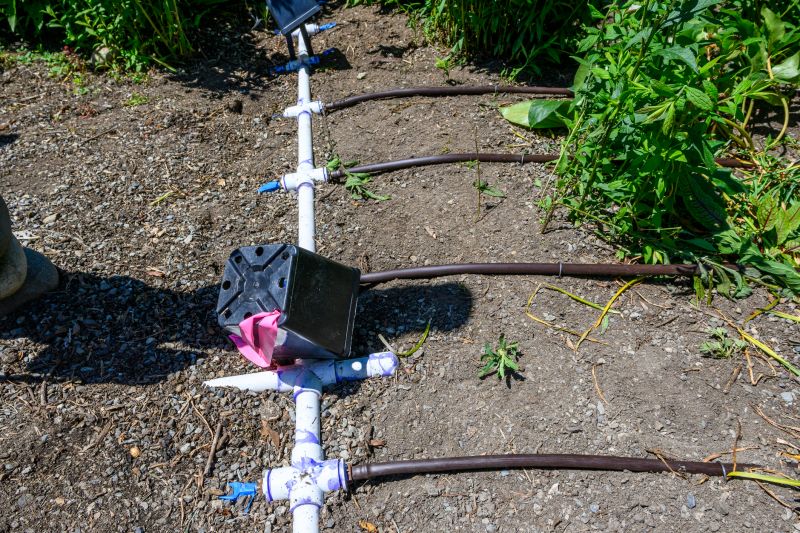
Clearly describe your yard irrigation project to help compare contractors, define scope, verify experience, and set expectations in writing.
- Verify the contractor’s experience with yard irrigation installation projects similar in scope and size. - Ensure the service provider clearly defines the scope of work in writing before starting the project.
- Compare multiple local contractors to assess their approaches and included services for irrigation system installation. - Look for detailed estimates that outline materials, labor, and installation methods.
- Ask about the types of irrigation systems and components the contractor recommends for your yard’s needs. - Confirm that the contractor understands your yard’s layout and water requirements.
- Check that the contractor provides a written plan or diagram of the proposed irrigation layout. - This helps set clear expectations and ensures all parties agree on the project scope.
- Review the contractor’s references or past projects to gauge their experience and quality of work. - Make sure the contractor’s previous work aligns with your expectations for system performance.
- Ensure all project details, including scope, materials, and responsibilities, are documented in a comprehensive contract. - A written agreement helps prevent misunderstandings and provides a reference throughout the project.
Compare local contractors’ experience, clarify project scope, and set written expectations to ensure a smooth yard irrigation installation.




Learn how to compare local contractors, define your project scope, verify experience, and set clear expectations in writing.
- Project Scope - Clearly define the specific areas and zones to be irrigated to ensure all needs are addressed.
- System Components - Identify the types of irrigation equipment and materials required for the installation.
- Experience and Expertise - Verify that local contractors have relevant experience with yard irrigation systems.
- Work Specifications - Establish detailed expectations and responsibilities in writing to prevent misunderstandings.
- Permitting and Regulations - Determine any necessary permits or compliance requirements that the installation must meet.
When comparing contractors for yard irrigation installation, it’s important to consider their experience with similar projects. Service providers who have a proven track record working on landscapes comparable in size, complexity, or design can offer insights into how they handle specific challenges. Asking about previous installations that resemble the scope of the current project can help gauge a contractor’s familiarity with the work and their ability to deliver results that meet expectations.
A clear, written scope of work is essential for ensuring all parties understand what the project entails. A detailed contract or proposal should outline the specific tasks, materials, and components involved in the irrigation system installation. This documentation helps prevent misunderstandings and provides a reference point for both the homeowner and the contractor throughout the project, establishing a shared understanding of what will be accomplished.
Verifying the basics of a contractor’s approach to installation can be achieved by understanding their methods for planning, site assessment, and system testing. Service providers should be able to explain how they evaluate the landscape, determine optimal sprinkler placement, and verify system functionality after installation. Clarifying these verification steps ensures that the irrigation system will operate efficiently and reliably once completed, aligning expectations with the contractor’s process.
When evaluating options, it’s helpful to compare how each contractor defines the scope of work and their approach to project management. Look for detailed proposals that specify the tasks involved, materials used, and the projected timeline for completion, even if exact dates are not provided. By focusing on the thoroughness of their explanations and their ability to communicate clearly, homeowners can better assess which service providers are well-organized and capable of meeting project requirements without relying on price as the sole criterion.
Ask contractors to provide written scope details to ensure clear expectations and consistent project understanding.
- Experience and Qualifications - How can I verify the experience of local contractors with yard irrigation installation?
- Scope of Work - What specific tasks and components should be included in the scope to ensure comprehensive installation?
- Comparison Factors - What criteria should be used to compare different service providers beyond price?
- Project Expectations - How can I ensure that scope, materials, and responsibilities are clearly defined in writing?
- Customization and Solutions - How do local contractors tailor irrigation systems to fit different yard layouts and needs?
What should I consider when choosing a contractor for yard irrigation installation? It's important to compare local contractors based on their experience, scope of services offered, and reputation. Clearly define the work you need done and ensure these details are included in written agreements to set proper expectations.
How can I verify a contractor’s experience with irrigation systems? You can ask for references or examples of previous projects similar to your yard. Additionally, inquire about how long they have been working in irrigation installation to gauge their familiarity with different system types and site conditions.
What questions should I ask a contractor before hiring for irrigation installation? Ask about their process for planning and installing irrigation systems, how they handle system design, and what scope of work is included. Clarify what is covered in their service to ensure it aligns with your needs.
Why is it important to have a written scope of work for irrigation projects? A written scope helps prevent misunderstandings by clearly outlining the tasks, materials, and responsibilities involved. It also provides a reference point for both parties and helps set realistic expectations.
How can I compare different irrigation contractors effectively? Review their experience, scope of services, and references. Ensure each contractor provides a detailed written proposal that specifies the work to be performed, materials used, and any warranties or guarantees offered.
What should I look for in a contractor’s proposal for yard irrigation installation? Look for a detailed description of the work, materials, and scope, along with clear terms and conditions. A comprehensive proposal helps ensure all aspects of the project are understood and agreed upon before work begins.
By exploring options for yard irrigation installation, visitors can gain a clearer understanding of how to identify qualified local contractors, define the scope of work, and verify relevant experience. Comparing different service providers helps set clear expectations and ensures that the project aligns with specific needs. Using the quote form to connect with local contractors makes it easier to gather information and make informed decisions.
Taking the time to compare local contractors for yard irrigation installation can support a well-planned approach to the project. The quote form provides a straightforward way to reach out to multiple service providers, helping to evaluate options and find the right match for the job. This process encourages thoughtful planning and clear communication before any work begins.